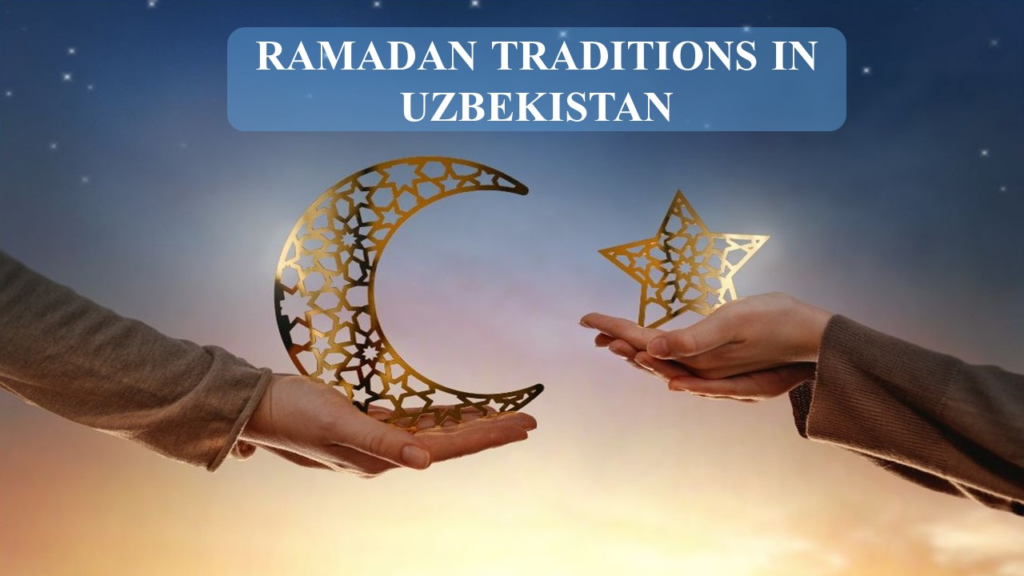
Ramadan, the holy month of fasting, reflection, and spiritual renewal, holds a special place in the hearts of Muslims across the world, and Uzbekistan is no exception. In this Central Asian nation, Ramadan is not only a time for personal devotion but also a period rich with cultural and communal traditions that have been preserved for centuries.
Fasting from dawn to sunset, or sawm, is the central pillar of Ramadan. For Uzbeks, this practice is combined with daily prayers, Qur’anic recitation, and increased acts of charity. Families gather before dawn for suhur, a pre-fast meal, and break their fast at iftar, often beginning with dates and water in accordance with the Sunnah.
During Ramadan, mosques across Uzbekistan become vibrant centers of learning and devotion. Zawiyas and madrasas, historically linked to scholars, host lectures, Qur’an study circles, and spiritual discussions. These gatherings emphasize not only ritual observance but also inner purification and ethical conduct, reflecting the spiritual depth of Ramadan.
Ramadan in Uzbekistan is deeply communal. Families prepare large iftar meals to share with relatives, neighbors, and travelers. Charity, or zakat and sadaqah, is emphasized more than ever, with donations often directed to support the poor, orphans, and those in need. In many towns and cities, community iftars are held in mosques and public squares, fostering unity and compassion.
Food plays a central role in Ramadan traditions. Uzbek families prepare dishes such as shurpa (soup), plov (rice with meat), samsa (savory pastries), and various sweets to break the fast. After Ramadan, the festival of Eid al-Fitr is celebrated with special prayers, feasts, and communal gatherings, marking both the end of fasting and the reward of spiritual reflection.
Uzbekistan’s Ramadan practices are enriched by centuries of Islamic scholarship and Sufi influence. Figures like Imam al-Hakim at-Termizi and other local scholars emphasized that fasting is not merely abstaining from food, but a time for moral refinement, contemplation, and knowledge-seeking. Historic mosques and zawiyas in cities like Termez, Samarkand, and Bukhara continue to host educational sessions and night prayers (taraweeh) during the holy month, linking contemporary observances with centuries of tradition.
Ramadan in Uzbekistan is a harmonious blend of faith, culture, and community. It is a time when personal devotion meets social solidarity, when spiritual reflection is paired with hospitality, and when historical traditions continue to guide modern practices. Through fasting, prayer, and charity, Uzbeks honor both the religious significance of Ramadan and the rich cultural heritage that has made it a month of unity, generosity, and spiritual growth.
Dilnoza Juraeva
Junior researcher in Imam Termizi international scientific research center