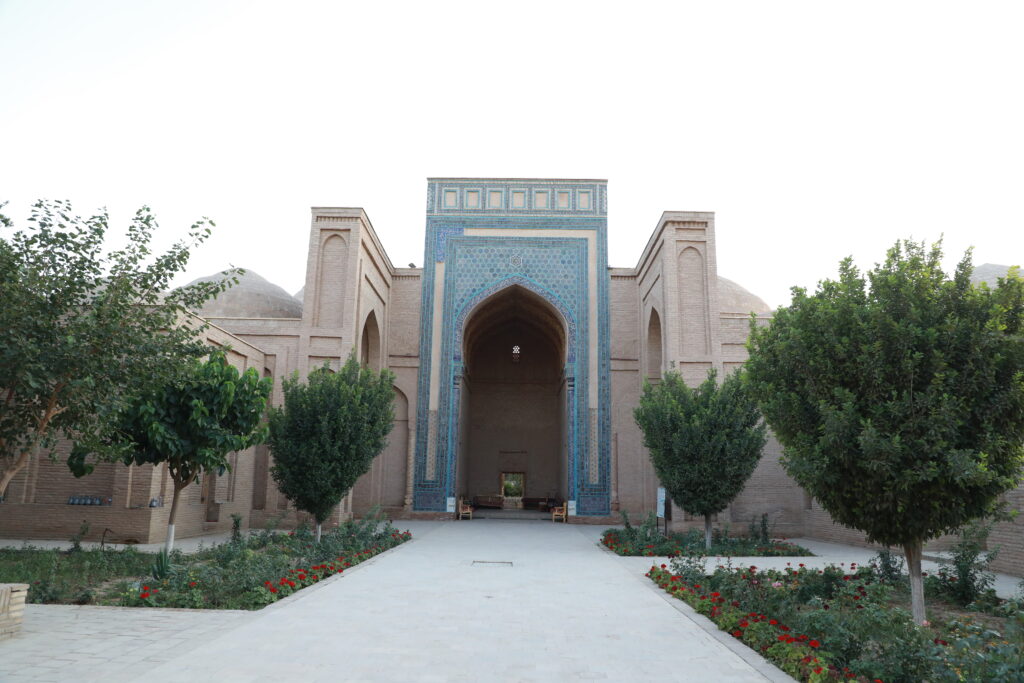
The Sultan Saodat complex in Termez is renowned in the Muslim East as the resting place of the Prophet’s descendants. These descendants trace their lineage to Imam Hussein, the son of Fatima, the Prophet Muhammad’s (peace and blessings be upon him) daughter, and Caliph Ali. Between the 10th and 17th centuries, members of the Termez Sayyid family were interred at this site. The term “Sayyid”, meaning “lord” in Arabic, was used to refer to the descendants of Prophet Muhammad (peace and blessings be upon him). Those from Hassan’s lineage were known as “Sharif”, while those from Hussein’s line were called “Sayyid”. In the Middle East and Maghreb, the Sayyids were more commonly referred to as “Ashraf.”
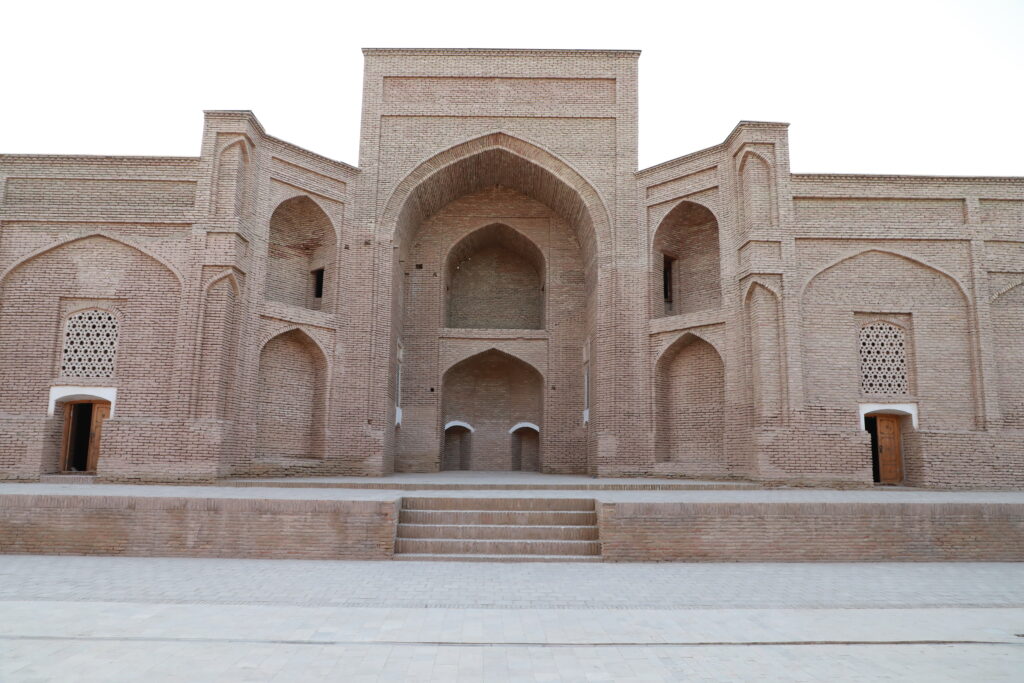
According to researchers, Hasan al-Amir arrived in Samarkand with his relatives in 850 and lived there for eleven years. Around 865, he relocated to Termez, where he settled permanently, leading to the establishment of the Sayyid dynasty in the region. During the reign of Amir Temur, the Termez Sayyids held a position of great respect. Amir Temur himself visited and stayed with them during his campaigns in India. The Termez Sayyids played a significant role in the development of medieval states, particularly within Amir Temur’s kingdom. Honoring the descendants of the Prophet Muhammad (peace and blessings be upon him) was considered a privilege by Amir Temur and the Timurids, who constructed houses and mausoleums for them. Later, huts were built in the architectural style of the time. Given these factors, the Sultan-Saodat complex is regarded as a site of immense historical, spiritual, and cultural importance.
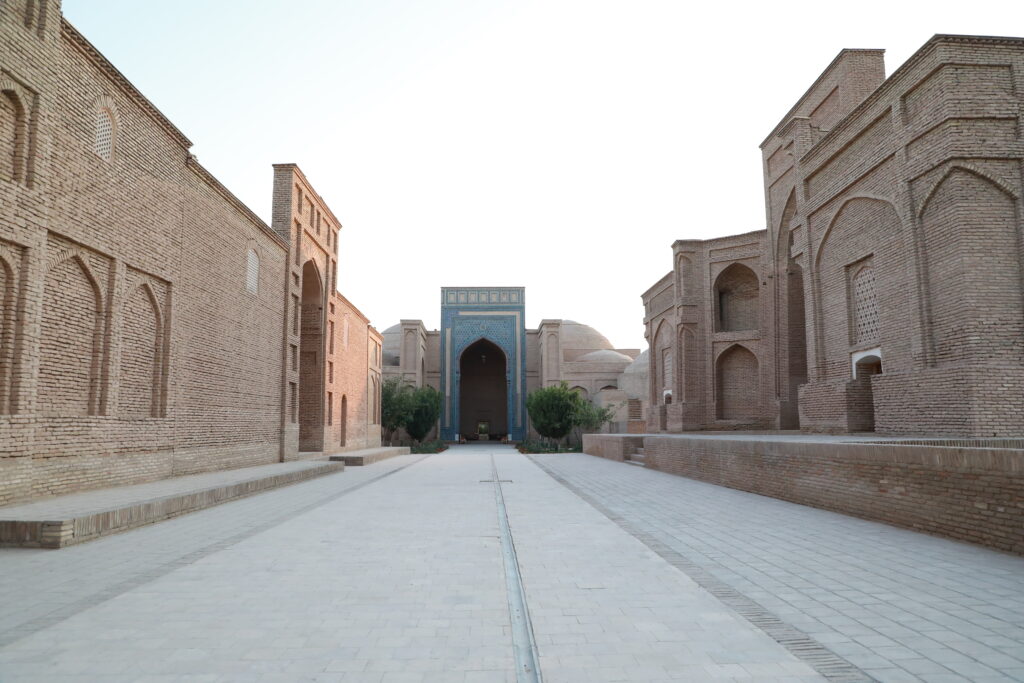
The Sultan Saodat complex developed over several centuries, with its construction beginning in the 10th century, as evidenced by the brickwork in some of the mausoleums. Initially, the complex comprised a mosque and a gatehouse with a porch-like structure, both built in the 10th century. Later, during the 14th to 17th centuries, a mausoleum, a house, and a total of sixteen additional structures were added. This indicates that the development of the Sultan-Saodat complex occurred in two distinct periods.
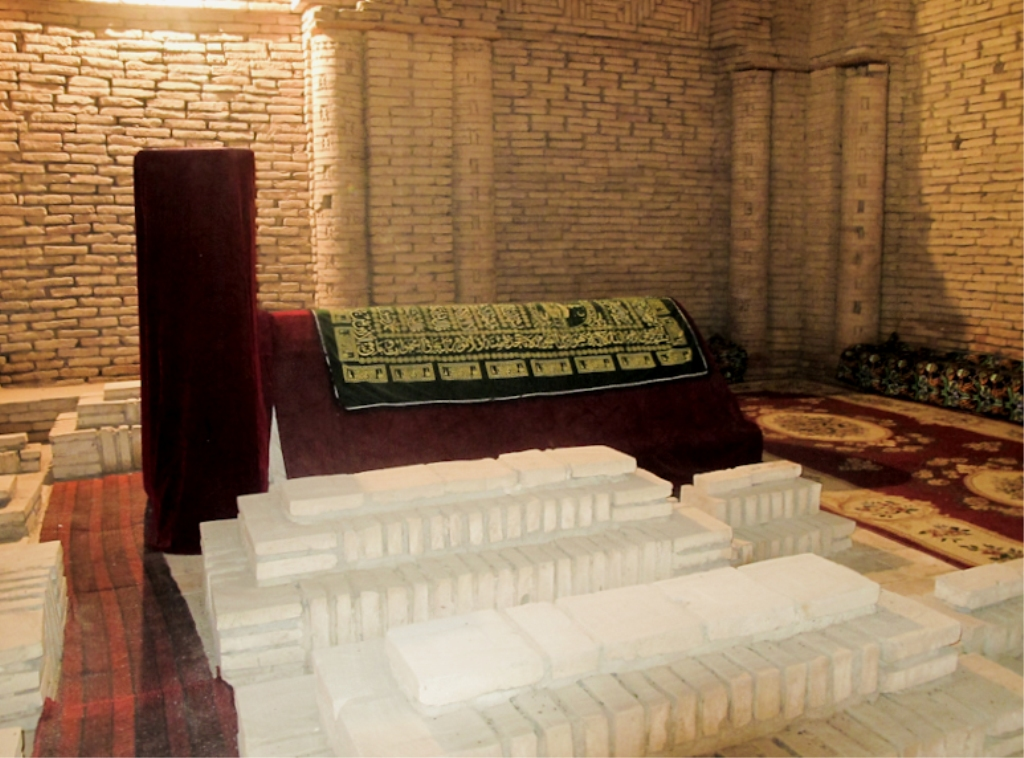
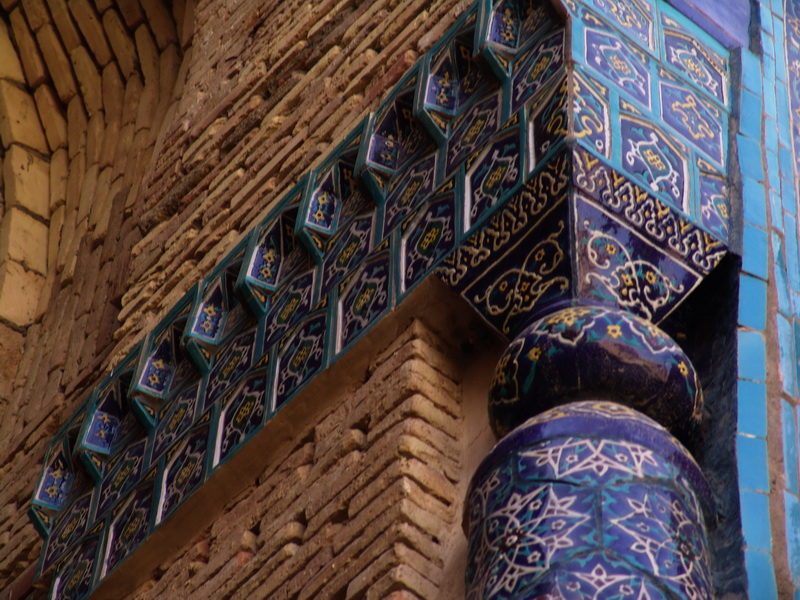
The Sultan Saodat complex is constructed from decorative baked bricks, with the walls adorned in geometric patterns enriched with unique elements. The facade of the complex, facing east, is made from bricks of various shapes. The upper section features two rows of wide domes, with a smaller central dome connected to the entrance porch. The mausoleums within the complex are composed of vaulted-domed rooms, measuring 9×9.5 meters and 10×15.25 meters. The structure and decoration of the north-western mausoleum use ordinary bricks (27x27x5 cm) arranged in pairs to create a wave-like pattern, while the interior walls are adorned with framed relief arches. In the 14th century, an arch was constructed to connect two mausoleums, with the exterior decorated with end bricks. During this period, additional huts for the Sayyids of Termez were built, most of which were painted pink and featured a spiral staircase leading up to the dome.
On April 6, 2019, during his visit to the Surkhandarya region, President Shavkat Mirziyoyev visited the Sultan Saodat complex. He emphasized that this site is a unique spiritual heritage and a sacred place for Muslims. Recognizing its importance, the President stressed the need for a comprehensive study of the complex’s history and the importance of sharing this knowledge with both the local population and the international community. He also issued directives to enhance the complex’s surroundings through archaeological research, with the goal of transforming it into a grand and beautiful pilgrimage site, similar to the mausoleums of Imam Bukhari and Imam Termizi.